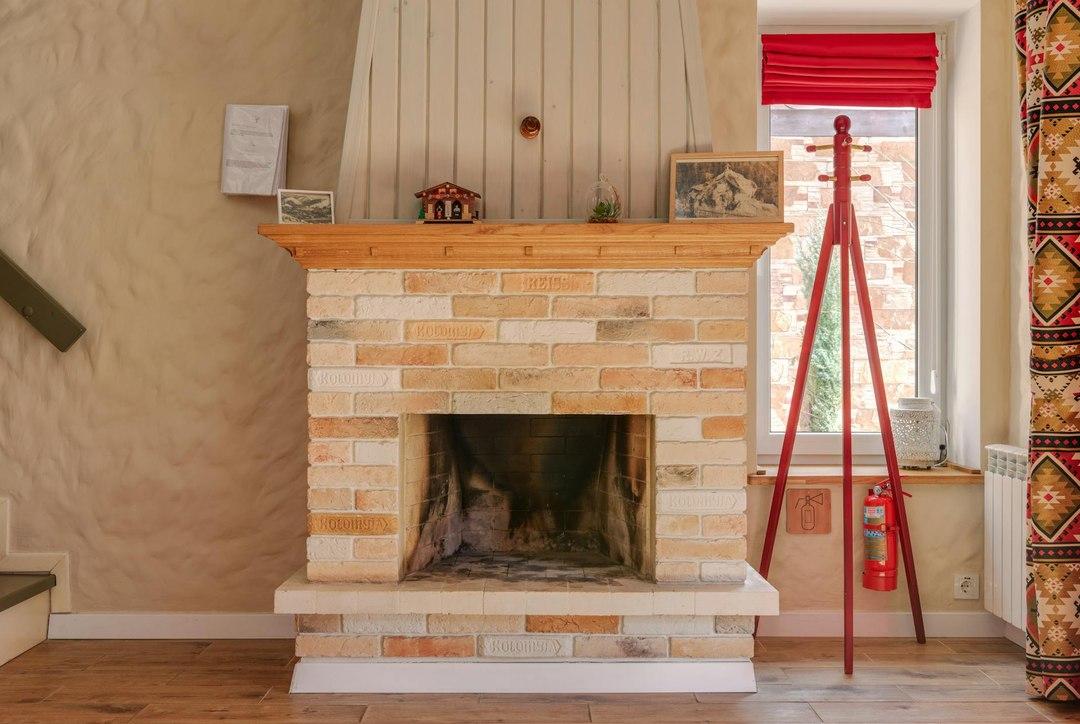
Most owners who ring us about an insert have already made up their minds about wood. Hauling logs is a chore, the room goes cold the moment the fire dies, and the winter no-burn alerts from the air district keep falling on exactly the evenings they wanted a fire. What they want next is a number. In Riverside the honest answer is a range, and it narrows once someone has stood in front of the fireplace with a tape measure.
The figure on our list and what it buys
Our price list puts a sealed gas unit, slid into a firebox you already own, at $2,750 to $5,500 installed. Inside that figure:
- the insert body and its glass front
- the stainless vent pipe from the back of the unit to the top of the stack
- setting and leveling the box in the old firebox
- a trim panel that closes the gap around the opening
- hooking up to a gas valve that already sits at the hearth
- the first firing, with you in the room
Two more figures often appear beside it on the same quote:
- Camera look down the flue before anything is ordered (Level 2): $385
- Heavy wood soot brushed out first, where there is a lot of it: from $410
Anything else, such as a new gas run from the meter or masonry the camera turns up, carries no fixed figure on our list. It shows up as its own numbered item with its own price once we know how big it is.
Why one insert costs more than the next
The gap between the bottom and top of the range is not padding. It comes from a handful of things that change from one house to another.
Opening size and shape. Inserts are built in set box sizes. A typical tract-house fireplace takes a mid-size unit with room to spare. A wide, shallow opening on a long ranch house, or a tall arched one on an older home near downtown, can push us to a bigger body or a custom panel to close the gap neatly.
Heat output and extras. A unit meant to take the chill off one room costs less than one sized to carry the whole living area through a cold January night. Blowers, wall thermostats and a battery backup for the igniter all add to the unit cost. We will say which of those earn their keep for the way you use the room and which do not.
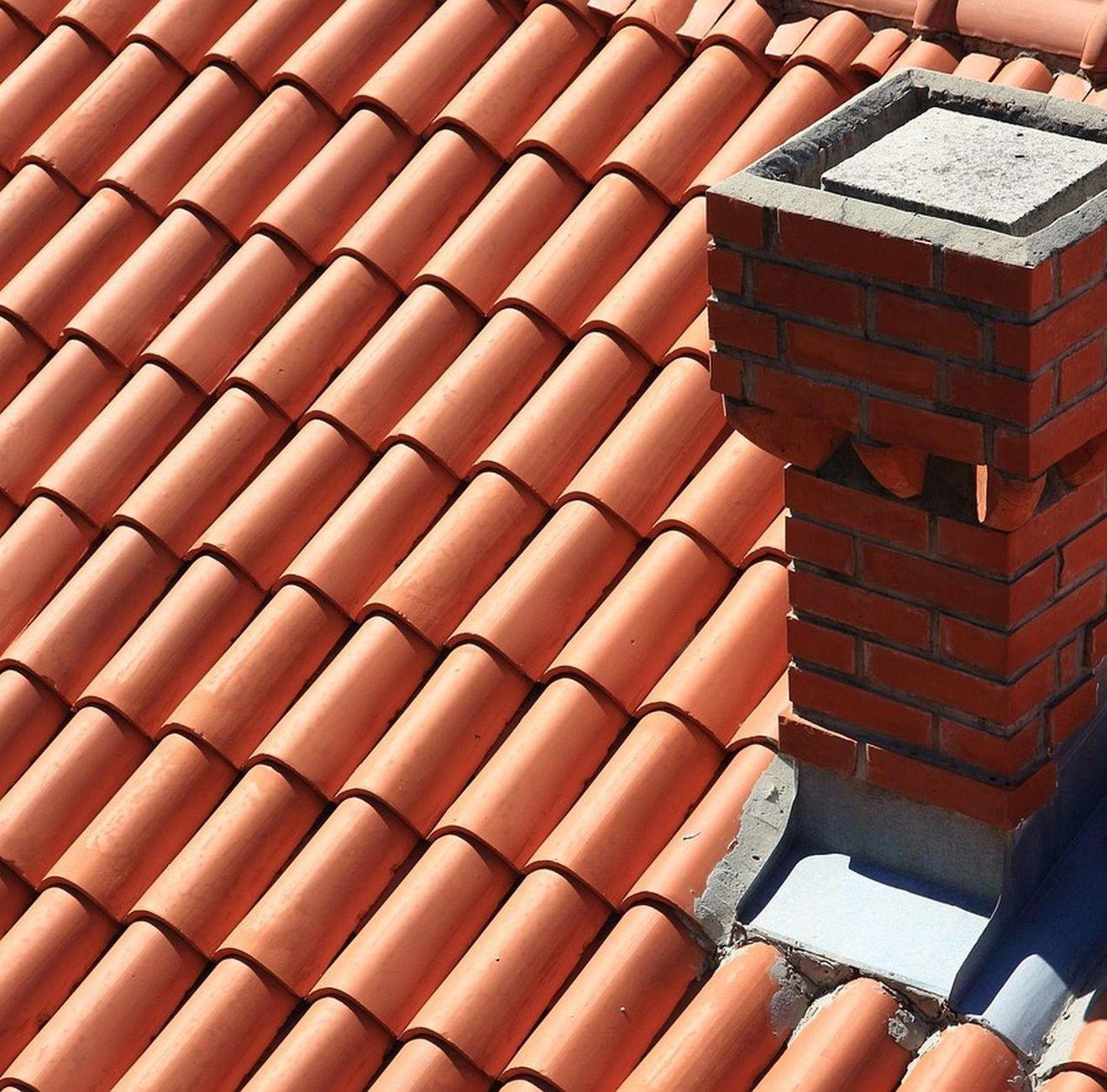
Stack height. The vent runs to the very top of the chimney. A single-story stack needs far less pipe and roof time than a two-story one on a sloping lot in Canyon Crest or Orangecrest.
The top of the chimney. The crown and cap have to seal around the new pipe. A crown that has split or crumbled gets fixed before the insert goes in, and that is a separate line on the quote, never folded into the insert price.
Gas at the hearth. Plenty of older fireplaces still carry a valve from the days of a log lighter. If it is there and big enough for the new unit, the hookup is short work. If not, a line has to come from the nearest supply, and we price that apart.
Your written quote, and how to get one
You receive a written quote before anything is ordered. It names the unit by make and model, the box size, the vent length, the trim, any extra items each with its own price, and what we need from you on install day. Nothing gets added after you sign it unless you approve a new line.
To start one, use the quote form. A sentence is plenty: roughly how wide the opening is if you have measured it, whether a gas valve sits near the hearth, and whether the chimney rises one story or two. We call back to set up the visit.
Is an insert the right choice at all?
An insert is one of three ways out of wood, and it does not suit everyone.
A vented log set keeps the look of an open fire and costs less up front, but most of its warmth leaves through the chimney and the damper must stay propped partly open for good. It suits owners who care about the flame more than the heat.
An insert closes the opening behind glass and turns the fireplace into a heater. It is the pick for people who want the room warm on a winter evening.
A direct-vent unit built into a new spot ($4,400 to $8,800 on our list) suits houses with no chimney worth keeping, or rooms that never had a fireplace. It vents through an outside wall and leaves the old masonry out of it.
Our post on logs, inserts and direct vent sets the three side by side.
Why the camera comes first
Changing what a chimney burns is one of the moments NFPA 211 marks for a Level 2. In practice the camera tells us three things: whether the flue can take the new vent, whether there is old creosote that should come out before the pipe goes in, and whether the top of the chimney will seal around it. The insert quote is then built on what is really inside the stack, not on a guess. More on that in Level 2 before going gas.
On install day
We cover the floor and hearth, set the box, feed the pipe from the roof, connect and leak-test the gas, and fit the trim. Then we fire it up together, walk you through the controls, and leave the manual and the paperwork behind. Any permit the job calls for is part of the quote, not a surprise afterward.
Where we fit them
We install inserts across Riverside and the cities to the west, including Yorba Linda, Claremont and Brea. The range above holds in each. The service itself is laid out on our fireplace inserts page.
When you want a figure for your own hearth rather than a range, the contact page is where that begins.
Ready for a Look at Your Flue?
Easley Chimney Contractors works out of Riverside. We check the chimney, then lay out gas logs, an insert or a direct-vent unit, whichever the house can take, each with its own figure.